What Makes a Bedroom Dementia Friendly? A Guide for Nursing Home Refurbishments and New Builds
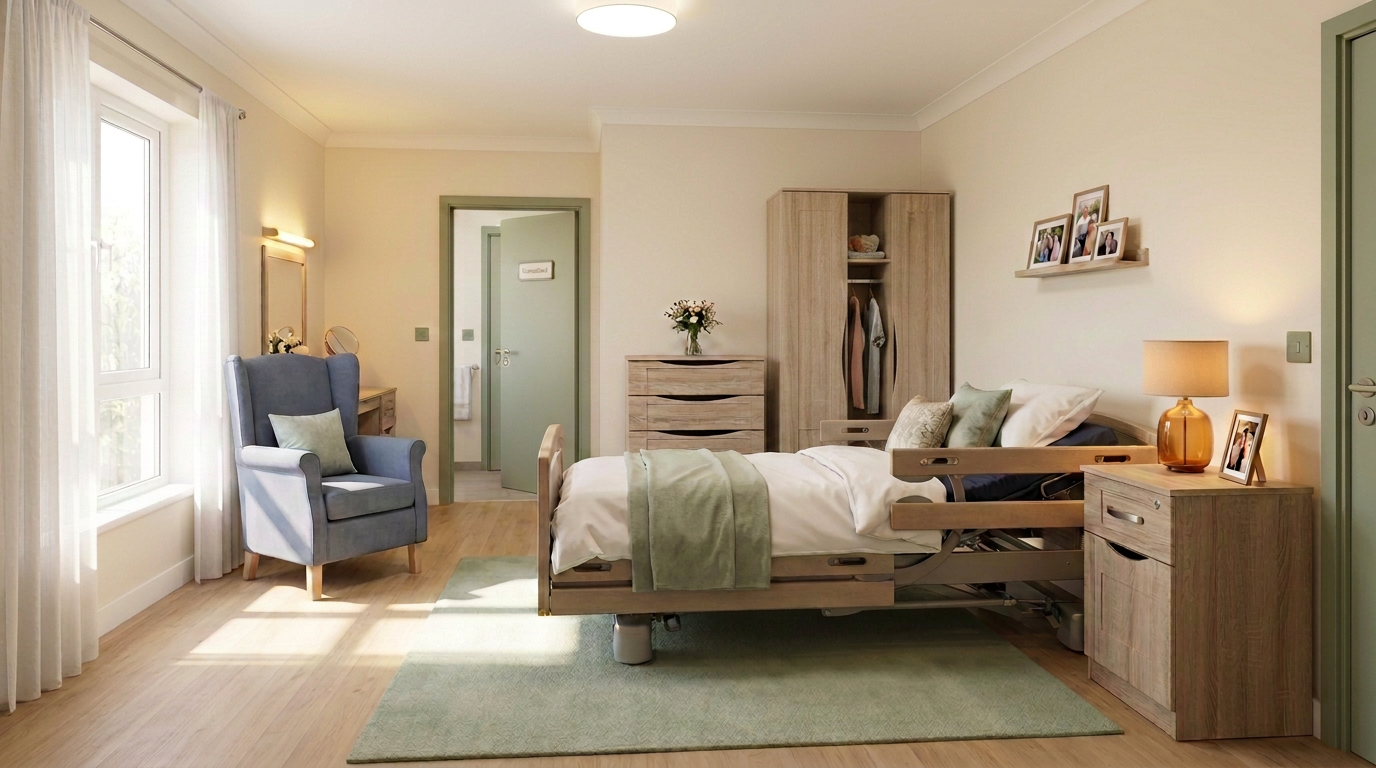
When designing or refurbishing a nursing home, every decision about the resident's bedroom has the potential to improve comfort, independence and wellbeing. For residents living with dementia, thoughtful bedroom design can also reduce confusion, support orientation and create a calmer environment.
A dementia friendly bedroom is not simply about choosing specialist furniture. It is about creating a space that feels familiar, is easy to navigate and supports the individual throughout their daily routine. By combining good design with carefully selected furniture and equipment, care providers can create bedrooms that enhance quality of life while meeting the practical needs of care delivery.
Whether you are planning a new nursing home or refurbishing an existing one, these key principles can help you create bedrooms that are both functional and welcoming.
What is a dementia friendly bedroom?
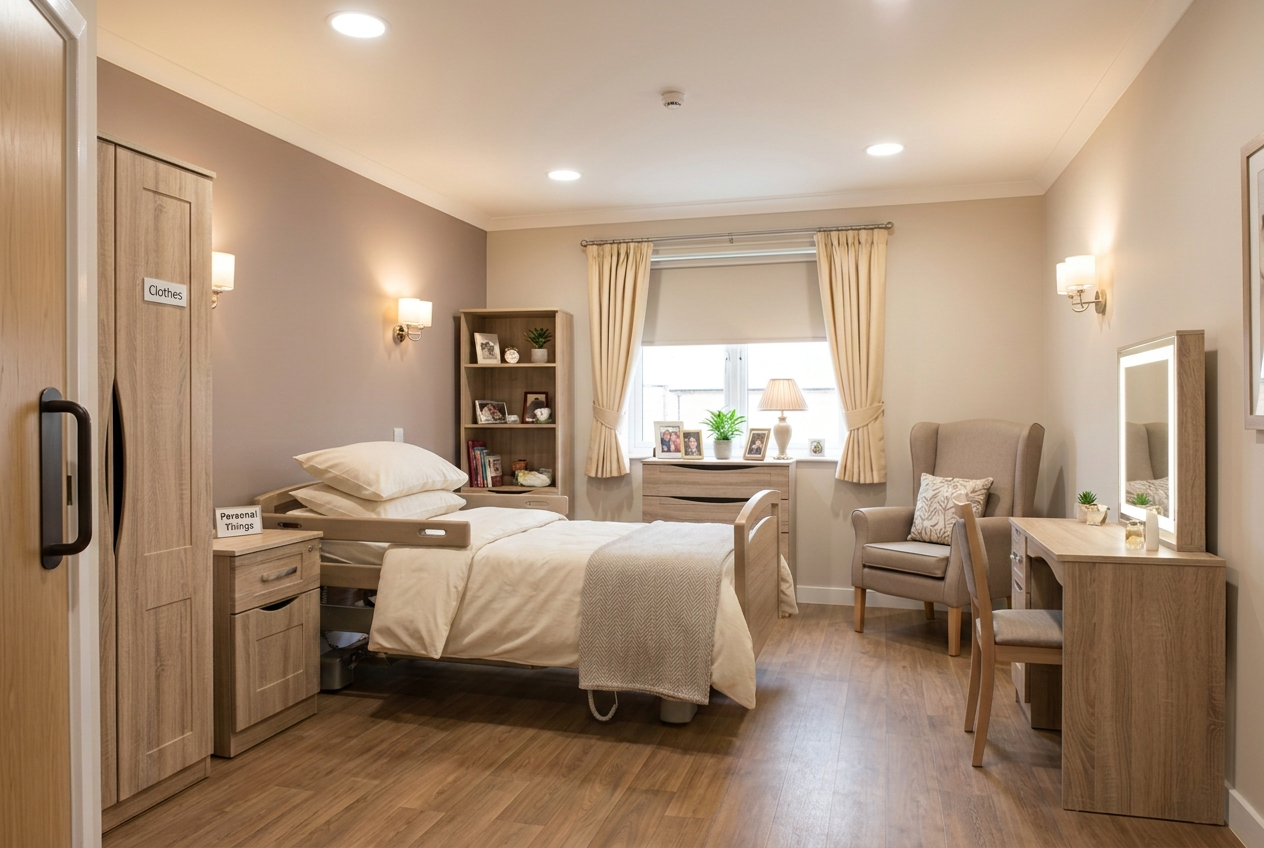
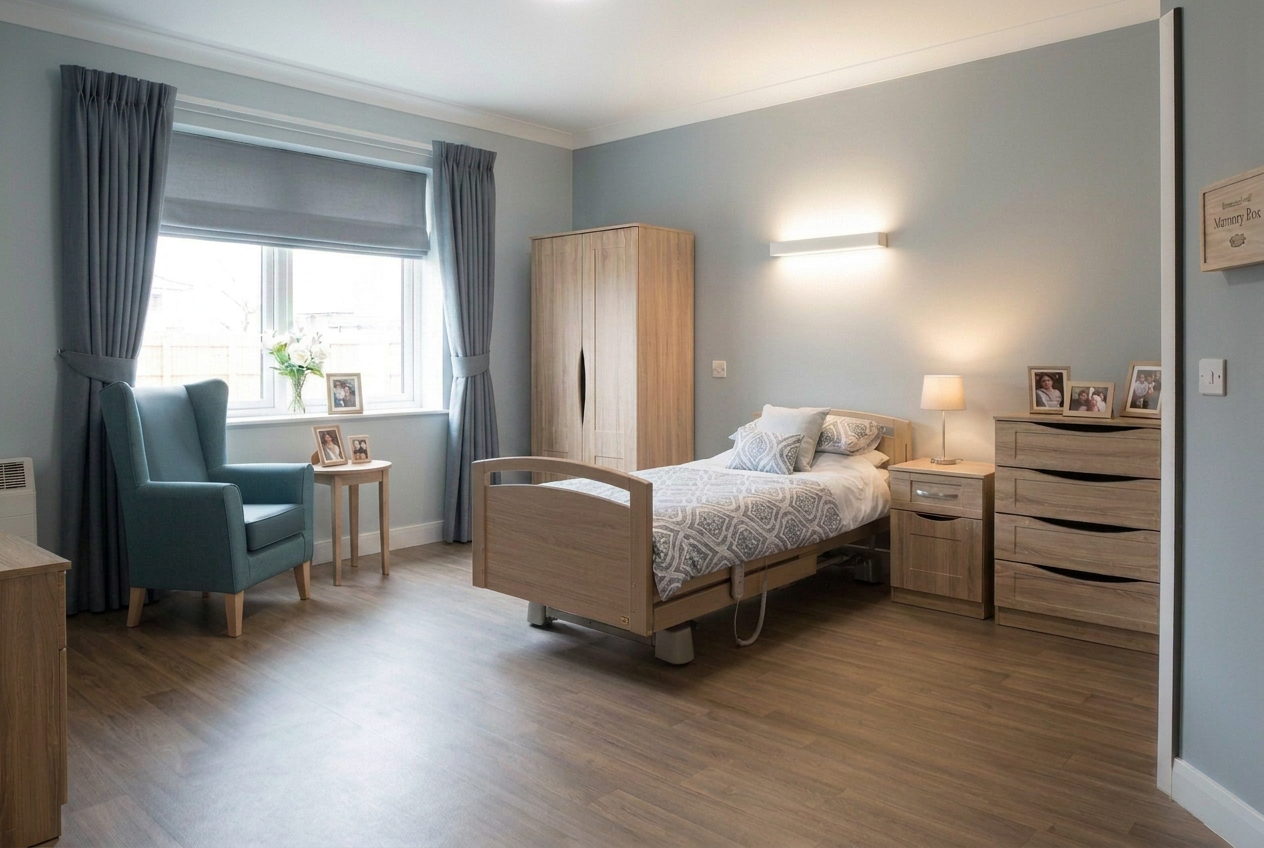
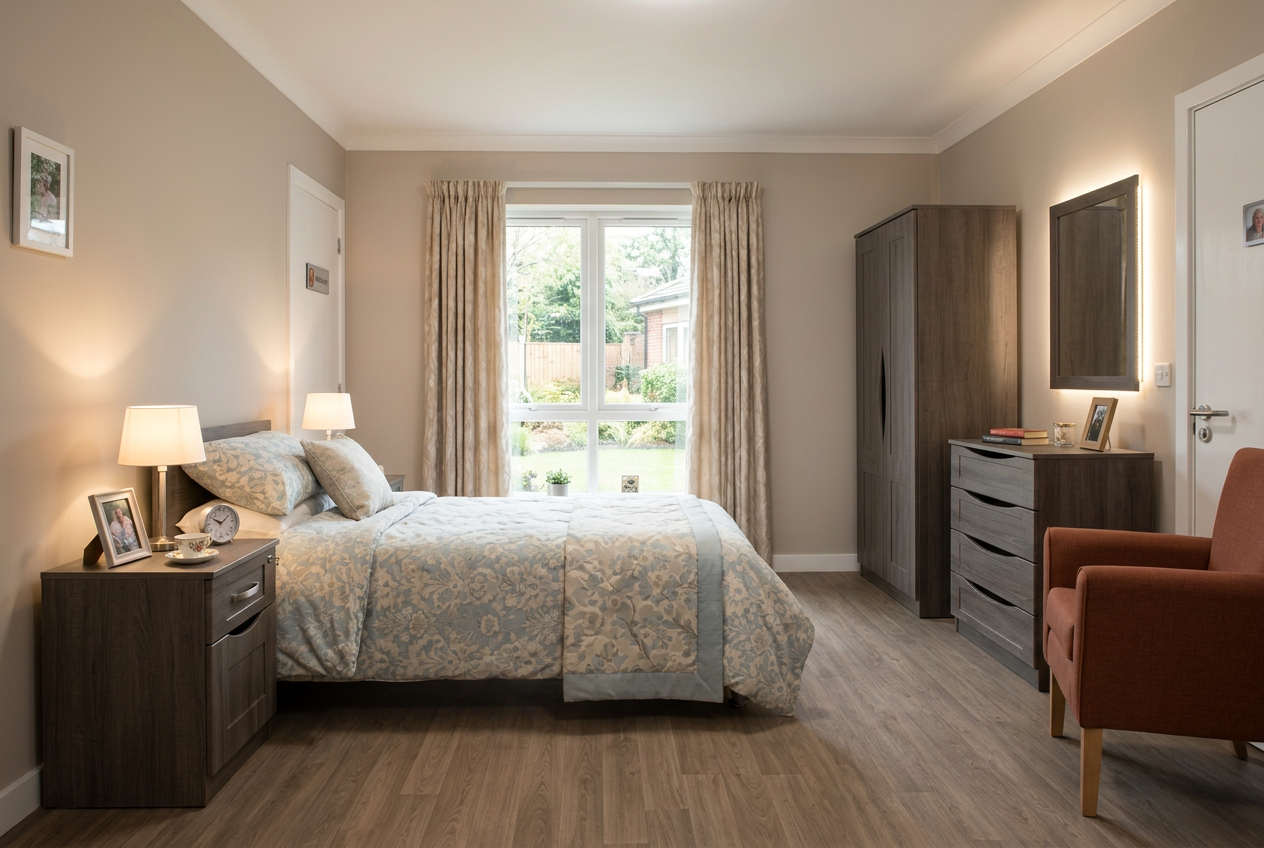
A dementia friendly bedroom is designed to reduce confusion and anxiety while supporting safety, independence and dignity. The layout, colours, furniture and lighting all work together to help residents understand their surroundings and carry out everyday activities as independently as possible.
Good design cannot stop the progression of dementia, but it can remove unnecessary obstacles and create an environment that is reassuring, familiar and easier to navigate.
Start with a calm and familiar environment
For many residents, moving into a care home is one of life's biggest transitions. Creating a bedroom that feels as close to home as possible can help reduce anxiety and encourage a sense of belonging.
Simple design choices can make a significant difference, including:
· Warm, neutral colour palettes.
· Domestic-style furniture where appropriate.
· Space for personal photographs and treasured belongings.
· Comfortable seating for residents and visitors.
· Soft furnishings that create a homely atmosphere without adding unnecessary clutter.
A bedroom should feel like a personal living space rather than a clinical environment.
Choose furniture that supports independence
Furniture should be easy to recognise and easy to use.
Residents living with dementia often benefit from furniture with familiar shapes and clear functions. Highly contemporary or unusual designs can sometimes create unnecessary confusion.
When selecting bedroom furniture, consider:
· Bedside cabinets that are simple to open.
· Wardrobes with clearly visible handles.
· Chairs with supportive armrests to assist standing.
· Dressing tables with good lighting.
· Storage that allows personal items to remain visible and accessible.
The aim is to encourage residents to continue doing as much as possible for themselves.
Use colour and contrast carefully
As dementia progresses, changes in vision and perception can make it more difficult to distinguish between similar colours.
Thoughtful use of contrast can help residents identify important features such as:
· Bedroom doors.
· Wardrobe handles.
· Light switches.
· Toilet doors within en-suite rooms.
· Seating.
Strong contrast does not mean using bright or overwhelming colours. Instead, it means ensuring that important objects stand out clearly from their surroundings.
Consistency throughout the home also helps residents become familiar with their environment.
Make lighting work harder
Lighting plays an important role in supporting orientation, mood and safety.
A well-designed bedroom should maximise natural daylight wherever possible while providing sufficient artificial lighting throughout the day and evening.
Consider:
· Even lighting that reduces shadows.
· Bedside lighting for reading.
· Good task lighting around wardrobes and mirrors.
· Curtains or blinds that allow residents to control natural light.
· Lighting that supports comfortable night-time navigation.
Poor lighting can increase confusion, make objects appear unfamiliar and contribute to falls.
Create clear and uncluttered spaces
An overcrowded bedroom can make navigation more difficult and increase the risk of trips or falls.
When planning room layouts:
· Leave clear walking routes.
· Position furniture consistently.
· Avoid unnecessary decorative items that may become obstacles.
· Ensure mobility equipment can be used safely.
· Allow sufficient space for carers to provide assistance where required.
Simple layouts are often easier for residents to understand and navigate.
Select beds and seating that combine comfort with practicality
The bed is the focal point of every resident's bedroom and should support both comfort and clinical care.
Depending on individual needs, providers may consider:
· Profiling beds that promote comfort and independence.
· Pressure care mattresses where appropriate.
· Adjustable seating that supports safe transfers.
· Comfortable visitor seating to encourage family visits.
Balancing clinical functionality with a domestic appearance can help maintain a warm and welcoming environment.
Think beyond the bedroom furniture
Creating a dementia friendly bedroom is about the whole environment rather than individual pieces of furniture.
Other considerations include:
· Easy-to-operate window fittings.
· Flooring that reduces glare and visual confusion.
· Quiet heating and ventilation systems.
· Accessible storage.
· Clear room numbering and personalised bedroom doors where appropriate.
Every design choice should support the resident's confidence in using their surroundings.
Plan for future needs
Residents' care requirements often change over time. A well-designed bedroom should be flexible enough to adapt without requiring significant alteration.
When planning a refurbishment or new build, consider:
· Future moving and handling equipment.
· Space for additional clinical equipment if required.
· Flexible furniture layouts.
· Durable finishes that withstand everyday use while maintaining a domestic appearance.
Designing with the future in mind can reduce disruption and extend the lifespan of the investment.
Why professional interior design makes a difference
Creating a dementia friendly care environment involves far more than selecting furniture from a catalogue.
Professional interior designers understand how colour, lighting, layout, materials and furniture interact to influence residents' experience. By considering the needs of residents, staff and visitors together, they can create environments that are practical, attractive and supportive of high-quality care.
At James Clement Interiors, our design team works closely with nursing home owners, operators and developers to create bedrooms that balance comfort, functionality and compliance. Whether you are fitting out a new nursing home or refurbishing an existing home, we help translate your vision into spaces that feel welcoming, support person-centred care and stand the test of time.
Working alongside S&E CareTrade, we provide an integrated approach to furniture, equipment and interior design, helping care providers deliver environments that enhance resident wellbeing while supporting efficient day-to-day operations.
Key considerations for your next project
Before finalising your bedroom design, ask yourself:
· Does the room feel calm, welcoming and familiar?
· Can residents easily identify and use important furniture?
· Is the layout simple and easy to navigate?
· Does the lighting support comfort and safety throughout the day?
· Are colour and contrast being used to aid orientation?
· Can the room adapt to residents' changing needs?
· Does the design balance a homely feel with practical care requirements?
A thoughtfully designed bedroom is more than an attractive space. It becomes part of the care itself, helping residents feel secure, maintain independence where possible and enjoy a better quality of life every day.