
What Equipment Is Required in a Nursing Home? The Essential Care Home Equipment Checklist for New Homes
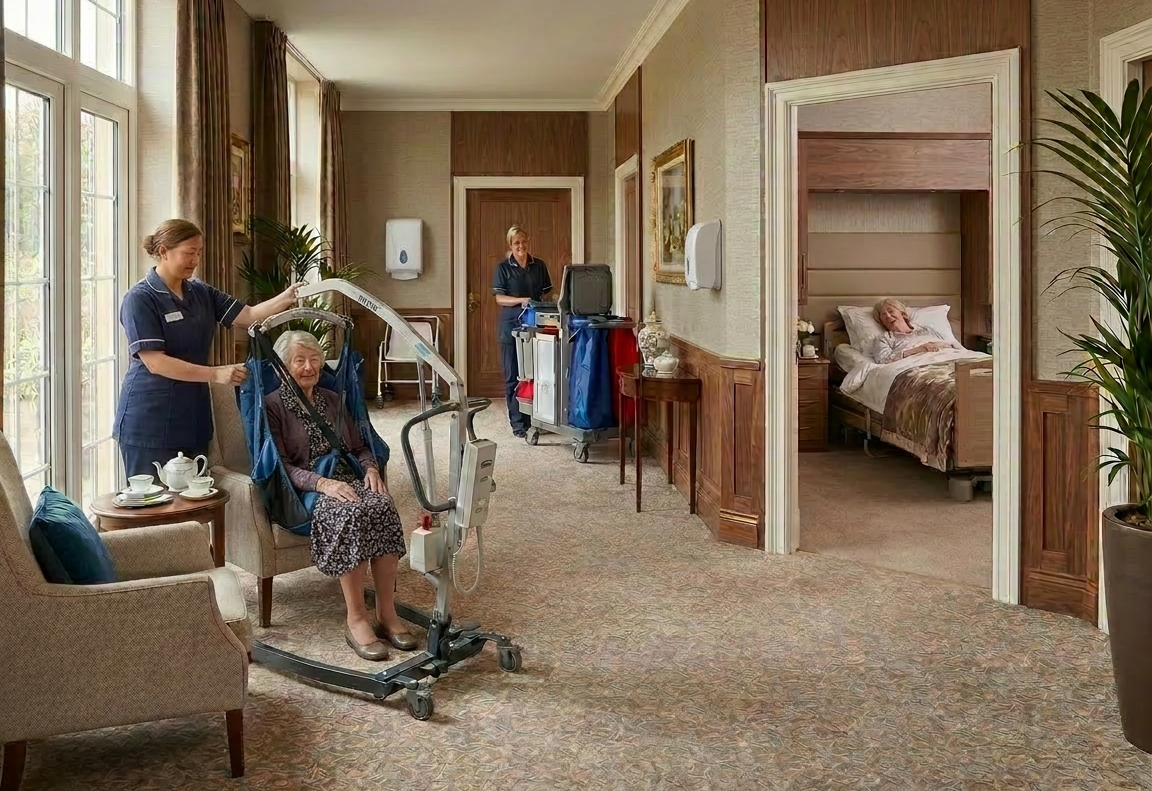
Opening a new nursing home or undertaking a major refurbishment is an exciting opportunity to create an environment that supports exceptional care. From resident bedrooms to clinical equipment, every purchasing decision plays a part in ensuring the home is safe, comfortable and ready to meet the needs of residents and staff.
With so many products available, it can be difficult to know where to begin. While every nursing home will have its own requirements depending on the services it provides, there are several core categories of equipment that every project should consider.
This guide provides an overview of the essential equipment required when fitting out a new nursing home and highlights key factors to consider during the planning process.
What equipment does every nursing home need?
Every nursing home should be equipped to provide safe, person-centred care while supporting residents' comfort, dignity and independence. In addition to everyday furniture, homes require specialist care equipment, moving and handling equipment, pressure area care products, infection prevention supplies and appropriate storage solutions.
The exact specification will depend on the size of the home, the needs of residents and the model of care being provided, but careful planning at the outset helps avoid costly changes later.
Start with a detailed equipment plan
Before purchasing individual items, it is worth developing a room-by-room equipment schedule.
Consider:
- Number of bedrooms
- Nursing and residential care requirements
- Specialist dementia or EMI units
- Communal lounges and dining areas
- Treatment and clinical rooms
- Assisted bathrooms
- Staff facilities
Planning early allows furniture, equipment and interior finishes to work together as part of one coordinated project.
Resident bedroom equipment
The bedroom is where residents spend much of their time, making it one of the most important spaces within the home.
Typical bedroom equipment includes:
- Profiling beds
- Pressure care mattresses where required
- Bedside cabinets
- Wardrobes
- Chest of drawers
- Comfortable seating
- Overbed tables
- Privacy curtains where appropriate
- Call bell systems
- Waste bins
Bedrooms should balance clinical functionality with a warm, homely appearance that supports residents' dignity and wellbeing.
Pressure area care equipment
Protecting skin integrity is an important aspect of nursing care.
Depending on residents' assessed needs, homes may require:
- Static pressure-relieving mattresses
- Dynamic mattress systems
- Pressure-relieving cushions
- Heel protection devices
- Positioning aids
Pressure area care equipment should always be selected following individual assessment and reviewed regularly as residents' needs change.
Moving and handling equipment
Safe moving and handling protects both residents and care staff.
Equipment may include:
- Mobile hoists
- Standing aids
- Transfer aids
- Slings in a range of sizes
- Slide sheets
- Transfer boards
- Turning devices
Choosing the right equipment is only one part of the process. Staff training, servicing and regular inspection are equally important.
Bathroom and hygiene equipment
Bathrooms should support both independence and safe assisted care.
Common equipment includes:
- Shower chairs
- Commode chairs
- Mobile shower trolleys
- Bath lifts where appropriate
- Grab rails
- Toilet frames
- Height-adjustable changing equipment
Good bathroom design should make personal care easier while maintaining privacy and dignity.
Lounge and dining furniture
Communal areas play an important role in encouraging social interaction and promoting wellbeing.
Furniture should be:
- Comfortable
- Durable
- Easy to clean
- Appropriate for residents' mobility needs
- Suitable for prolonged daily use
Dining tables, lounge seating and occasional furniture should also complement the home's overall interior design.
Dementia-friendly furniture and design
If supporting residents living with dementia, the environment itself becomes part of the care provided.
Design considerations may include:
- Familiar furniture styles
- Good colour contrast
- Simple layouts
- Clear wayfinding
- Appropriate lighting
- Reduced visual clutter
- Comfortable seating with supportive arms
Thoughtful interior design can help residents feel more confident and reduce unnecessary confusion.
Clinical and nursing equipment
Clinical equipment requirements will vary depending on the services provided.
Examples include:
- Clinical trolleys
- Drug storage solutions
- Treatment couches
- Observation equipment
- Weighing scales
- Emergency response equipment
- PPE storage
- Sharps disposal systems
Equipment should support safe clinical practice while remaining easily accessible to staff.
Infection prevention and hygiene products
Maintaining high standards of hygiene requires both suitable equipment and reliable consumables.
Consider:
- Hand hygiene stations
- Cleaning trolleys
- Colour-coded cleaning systems
- Clinical waste bins
- Laundry equipment
- Disposable gloves and aprons
- Surface cleaning products
- Continence care products
Having reliable supply arrangements in place helps maintain continuity of care.
Storage solutions
Well-designed storage improves efficiency throughout the home.
Storage should accommodate:
- Moving and handling equipment
- Continence products
- Medical consumables
- Cleaning supplies
- Linen
- Resident equipment
- Maintenance items
Organised storage also reduces clutter and helps staff locate equipment quickly.
Don't overlook the finishing touches
Some of the smallest details have the biggest impact on residents' experience.
These might include:
- Window furnishings
- Artwork
- Bedroom accessories
- Noticeboards
- Signage
- Soft furnishings
- Visitor seating
Together, these elements help create a welcoming, homely environment rather than an institutional setting.
Think beyond opening day
A new nursing home should be designed not only for today's residents but also for future needs.
When selecting equipment, consider:
- Durability
- Ease of maintenance
- Manufacturer support
- Availability of replacement parts
- Future adaptability
- Resident demographics
- Budget for planned replacement
Investing in quality equipment from the outset often reduces maintenance costs and extends product lifespan.
Why work with a specialist care home supplier?
Fitting out a nursing home involves hundreds of individual decisions. Working with a specialist supplier simplifies the process by ensuring furniture, equipment and consumables work together as part of a coordinated solution.
At S&E CareTrade, we support nursing homes across Northern Ireland and the Republic of Ireland with everything from initial project planning through to installation and ongoing supply. Working alongside the interior design expertise of James Clement Interiors, we help create care environments that are practical, compliant and welcoming for residents, staff and visitors alike.
Whether you are opening a brand-new nursing home, extending an existing facility or undertaking a full refurbishment, our experienced team can help you specify the right equipment, furniture and interiors to meet both your operational needs and your vision for outstanding care.
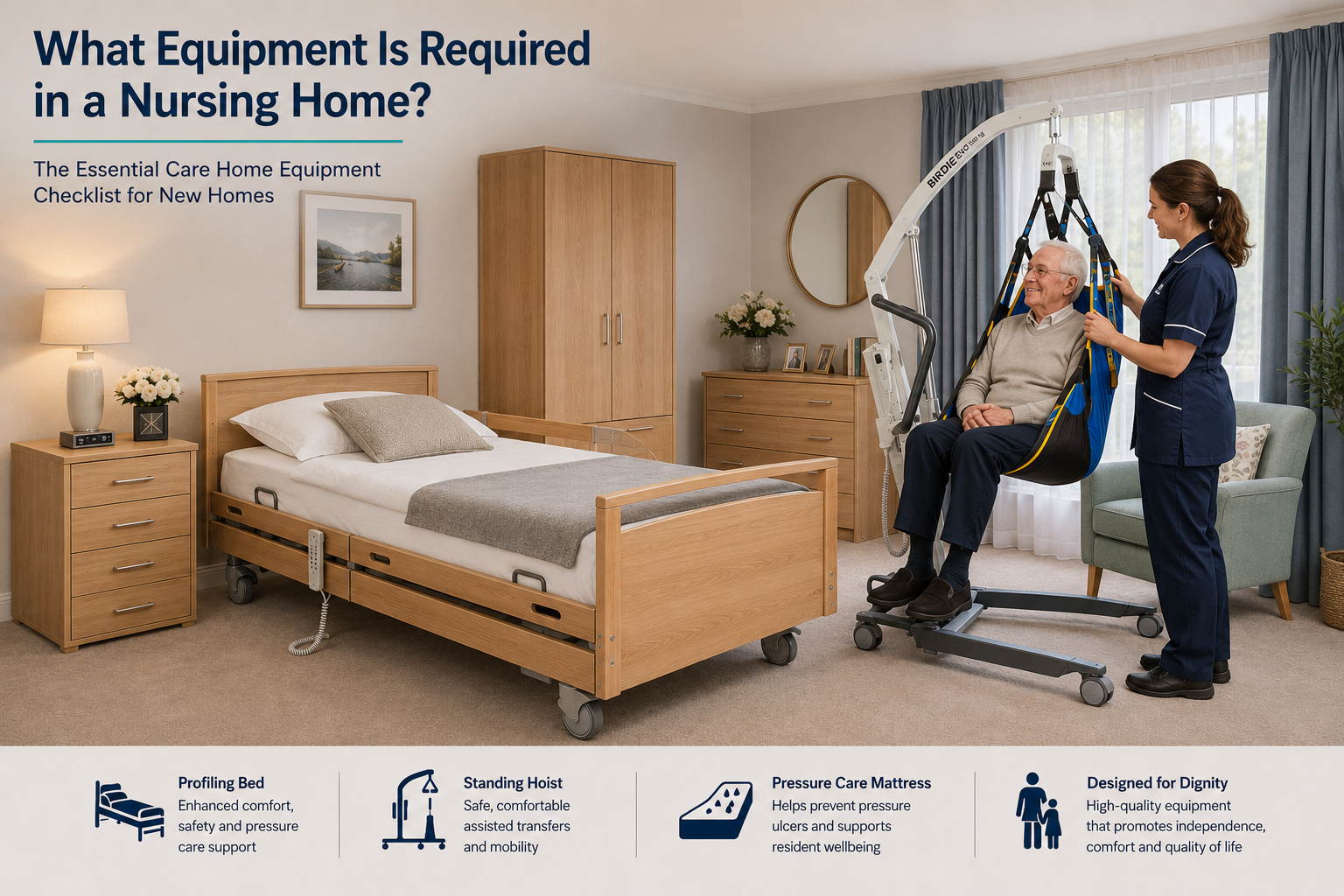
New Nursing Home Equipment Checklist
Use this checklist as a starting point when planning your project:
| Resident Bedrooms | |
|---|---|
 |
Profiling beds |
|
Mattresses |
|
Bedside cabinets |
|
Wardrobes |
|
Chest of drawers |
|
Seating |
|
Overbed tables |
|
Call bell systems |
| Moving & Handling | |
|---|---|
|
Mobile hoists |
|
Standing aids |
|
Slings |
|
Transfer aids |
|
Slide sheets |
| Bathrooms | |
|---|---|
|
Shower chairs |
|
Commodes |
|
Grab rails |
|
Bathing equipment |
|
Toilet supports |
| Clinical Equipment | |
|---|---|
|
Treatment trolleys |
|
Drug storage |
|
Observation equipment |
| Infection Prevention | |
|---|---|
|
PPE |
|
Cleaning equipment |
|
Waste management |
|
Hand hygiene products |
|
Continence care supplies |