
Choosing Products That Help Maintain Healthy Skin in Care Homes
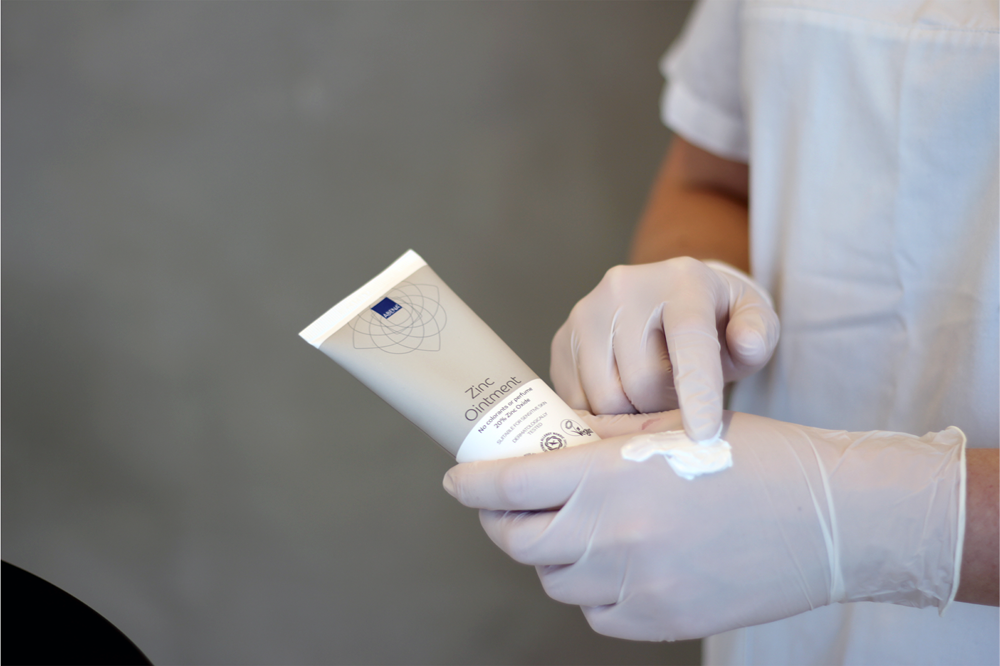
Maintaining healthy skin is one of the most important aspects of continence care in nursing and residential care settings. For residents living with urinary or faecal incontinence, the skin is exposed to constant moisture, friction and irritants that can quickly lead to discomfort and breakdown if not managed correctly.
Moisture-associated skin damage (MASD), including incontinence-associated dermatitis (IAD), is largely preventable. However, prevention depends not only on good care routines, but also on choosing the right products to support skin health every day.
This is where clinically designed continence and skincare ranges, such as those developed by ABENA, play an important role in supporting care homes to protect residents’ skin integrity.
Why healthy skin is so important in continence care
Skin is the body’s natural protective barrier. When it remains intact, it helps protect against infection, temperature changes and external irritants.
Incontinence can disrupt this balance. Prolonged exposure to urine and faeces alters the skin’s pH level, increases moisture and weakens the skin barrier. Over time, this can lead to:
· Redness and inflammation
· Soreness and discomfort
· Broken or weeping skin
· Increased risk of infection
· Higher risk of pressure ulcer development
Once skin damage occurs, it can be difficult to manage and significantly impact a resident’s comfort and dignity. Prevention is therefore a key priority in care home settings.
What causes incontinence-associated skin damage?
Incontinence-associated dermatitis develops when the skin is exposed to moisture and irritants for prolonged periods. Contributing factors include:
· Infrequent continence product changes
· Poor product fit or incorrect absorbency level
· Use of harsh cleansing products
· Lack of barrier protection
· Reduced mobility and prolonged sitting or lying
· Fragile ageing skin
While care routines are essential, the choice of continence and skincare products plays a significant role in reducing risk.
How the right products help protect skin
Well-designed continence care products are developed not just to absorb moisture, but to actively support skin health.
Effective products should:
· Keep moisture away from the skin surface
· Maintain a healthy skin pH
· Allow the skin to breathe
· Reduce friction and rubbing
· Support hygiene and ease of cleansing
· Work together as part of a full care routine
This integrated approach is central to ABENA’s continence and skincare philosophy, which focuses on combining absorbent products with cleansing and barrier care to support healthy skin outcomes.
The ABENA approach to skin health
ABENA is widely recognised for its evidence-based approach to continence care, particularly in relation to incontinence-associated dermatitis prevention.
Their skin care concept is built around three key stages:
1. Cleanse
Gentle cleansing is essential to remove urine, faeces and bacteria without damaging the skin’s natural barrier.
ABENA supports the use of pH-balanced cleansing solutions designed specifically for fragile skin. These are intended to clean effectively while avoiding the drying effects associated with traditional soap and water routines.
The aim is to reduce irritation while maintaining the skin’s natural protective function.
2. Care
After cleansing, the skin needs support to maintain hydration and resilience.
Moisturising products help to:
· Restore skin balance
· Support elasticity
· Reduce dryness and cracking
· Improve overall skin condition over time
This step is particularly important for elderly residents, whose skin is naturally thinner and more fragile.
3. Protect
Barrier protection is one of the most important steps in preventing moisture-associated skin damage.
Barrier creams or films create a protective layer on the skin, helping to prevent direct contact with urine and faeces. This reduces irritation and helps maintain skin integrity even when continence episodes occur.
When used correctly, barrier products support both comfort and long-term skin health.
Why absorbency alone is not enough
A common misconception in continence care is that higher absorbency automatically means better protection.
In reality, absorbency is only one part of the picture. If a product does not fit correctly or is not appropriate for the resident’s needs, it can still contribute to skin damage.
Overly bulky products may:
· Increase heat and moisture build-up
· Reduce airflow to the skin
· Increase friction
· Affect comfort and mobility
Under-specification can lead to leakage, which also increases skin exposure.
The most effective continence products are those that balance absorbency, fit and breathability while matching the resident’s assessed needs.
The importance of a complete skincare routine
Healthy skin in care homes is not maintained by a single product. It depends on consistent daily practice, including:
· Regular continence assessments
· Timely product changes
· Gentle cleansing after episodes of incontinence
· Appropriate use of barrier products
· Ongoing skin inspections
· Staff training and awareness
When these elements work together, the risk of MASD and IAD is significantly reduced.
Choosing products in practice
When selecting continence and skincare products for a care home, managers and nurses should consider:
· Individual resident risk levels
· Skin condition and history of breakdown
· Mobility and independence
· Type and frequency of incontinence
· Ease of use for care staff
· Compatibility between products in the routine
· Evidence-based clinical guidance
Product selection should always be part of a wider continence care plan rather than an isolated decision.
Supporting better outcomes in care homes
Preventing skin damage is not just a clinical goal. It directly impacts resident comfort, dignity and quality of life.
Healthy skin reduces pain, improves wellbeing and helps residents remain more comfortable and confident in their daily routines. It also reduces the risk of more serious complications, including infection and pressure damage.
Care homes that take a proactive approach to skin health often see improvements in both resident outcomes and staff confidence in delivering continence care.


Bringing it all together
Choosing the right products to maintain healthy skin is about more than absorbency or brand selection. It is about building a structured, evidence-based approach that supports the skin at every stage of care.
ABENA’s integrated approach to cleansing, care and protection provides a clear framework that care homes can use to improve continence care practices and reduce the risk of moisture-associated skin damage.
At S&E CareTrade, we work with nursing homes across Northern Ireland and the Republic of Ireland to support best practice in continence care. Our team, including a Continence Nurse Specialist, can advise on product selection, skin health strategies and continence care planning to help protect residents’ skin and improve day-to-day care delivery.
By combining the right products with the right care routines, care homes can make a measurable difference to comfort, dignity and long-term skin health.