When Should a Resident Be Referred for Specialist Continence Support

Continence needs can change over time, particularly for older adults living in nursing homes. While many residents can be successfully supported through routine continence care, there are occasions when specialist assessment is needed to identify underlying causes, review treatment options or recommend a different approach.
Recognising when to seek specialist continence support is an important part of providing person-centred care. Early referral can improve comfort, protect skin integrity, reduce the risk of complications and help residents maintain their dignity and quality of life.
Why continence should never be dismissed as 'just part of ageing'
Although urinary and faecal incontinence are common among older adults, they should not simply be accepted as an inevitable consequence of ageing.
Incontinence can result from a wide range of underlying factors, including:
· Urinary tract infections (UTIs)
· Constipation
· Medication side effects
· Neurological conditions
· Reduced mobility
· Cognitive impairment
· Pelvic floor weakness
· Prostate conditions in men
· Other medical conditions affecting bladder or bowel function
Many of these causes can be treated or better managed when identified early. A timely referral for specialist assessment can help ensure residents receive the most appropriate care.
Signs that a resident may need specialist continence support
Care home staff know their residents well and are often the first to notice changes in continence. Certain signs should prompt further investigation or referral.
1. A sudden change in continence
A resident who suddenly becomes incontinent, or whose continence changes significantly over a short period, should always be assessed.
Sudden changes may indicate an underlying medical condition that requires investigation rather than simply changing continence products.
2. Continence products are no longer effective
If a resident continues to experience frequent leakage despite using appropriately fitted products, it may indicate that their continence needs have changed.
Before simply increasing absorbency, it is important to understand why leakage is occurring. A specialist assessment may identify a more suitable management approach.
3. Recurrent urinary tract infections
Repeated UTIs can significantly affect a resident's comfort, wellbeing and continence.
Frequent infections should be reviewed by healthcare professionals to identify possible underlying causes and determine appropriate treatment or preventative strategies.
4. Persistent skin damage
Residents who develop ongoing redness, soreness or moisture-associated skin damage despite good continence care may benefit from specialist input.
Protecting skin health is a key part of continence management. Early intervention can help prevent more serious complications such as incontinence-associated dermatitis or pressure damage.
5. Difficulty emptying the bladder
Residents who struggle to empty their bladder fully, experience urinary retention or complain of discomfort when passing urine should be referred promptly for clinical assessment.
These symptoms may indicate conditions that require medical investigation.
6. Blood, pain or unusual urinary symptoms
Blood in the urine, persistent pain, unexplained discomfort or other unusual urinary symptoms should never be ignored.
These symptoms require prompt medical assessment to rule out underlying health conditions.
7. Changes in mobility or cognition
A resident's continence needs often change following:
· A fall
· Hospital admission
· Stroke
· Progression of dementia
· Reduced mobility
· Changes in medication
Whenever a resident experiences a significant change in their overall health, their continence care plan should also be reviewed.
What happens during a specialist continence assessment?
A specialist continence assessment looks beyond the symptoms to understand the underlying causes of incontinence.
Assessment may include:
· Medical history
· Current medications
· Bladder and bowel habits
· Fluid intake
· Mobility assessment
· Cognitive assessment
· Skin condition
· Toileting ability
· Existing continence products
· Lifestyle factors
Following assessment, recommendations may include treatment, bladder or bowel management strategies, pelvic floor exercises where appropriate, medication review or changes to continence products.
Why regular continence reviews matter
Even residents with stable continence needs should have their continence care reviewed regularly.
A resident's health can change gradually, meaning products and care routines that were appropriate six months ago may no longer provide the best support today.
Regular reviews help ensure:
· Products remain suitable.
· Skin health is protected.
· Residents remain comfortable.
· Care remains person-centred.
· Costs are managed effectively by avoiding unnecessary over-specification of products.
Supporting skin health alongside continence care
Good continence management goes hand in hand with good skin care.
Residents living with incontinence are at greater risk of developing moisture-associated skin damage (MASD) and incontinence-associated dermatitis (IAD).
An effective skin care routine should include:
· Prompt changing of continence products.
· Gentle cleansing using pH-balanced products.
· Appropriate moisturising where required.
· Barrier creams or sprays to protect the skin.
· Regular skin inspections.
Early recognition of skin changes allows care teams to intervene before more serious damage develops.
The role of specialist product advice
Choosing the right continence product is about much more than absorbency.
The best outcomes are achieved when products are selected according to:
· Individual continence needs.
· Mobility.
· Skin condition.
· Lifestyle.
· Resident comfort.
· Product fit.
Using products that are more absorbent than necessary can sometimes increase heat and moisture around the skin, while products that are insufficiently absorbent may lead to leakage and discomfort.
Regular product reviews help ensure residents receive the most appropriate level of protection.
How S&E CareTrade can support your care home
At S&E CareTrade, we understand that effective continence care is about more than supplying products. It is about supporting care teams with the knowledge, expertise and practical advice needed to improve resident outcomes.
Our dedicated Continence Nurse Specialist works with nursing homes across Northern Ireland and the Republic of Ireland to provide guidance on continence product selection, skin health and best practice in continence care. While we do not replace NHS continence services, we work alongside care providers to help ensure residents receive products that are appropriate for their individual needs and support effective day-to-day care.
Early intervention leads to better outcomes
Recognising when a resident needs specialist continence support is an essential part of delivering high-quality, person-centred care.
Early assessment can identify treatable conditions, improve continence management, protect skin integrity and enhance residents' comfort and dignity.
By combining regular continence reviews, appropriate product selection and timely referral when needed, care homes can help residents achieve the best possible quality of life while supporting safer, more effective care.

Molly Speers
Clinical Nurse RGN Cert. Onc.
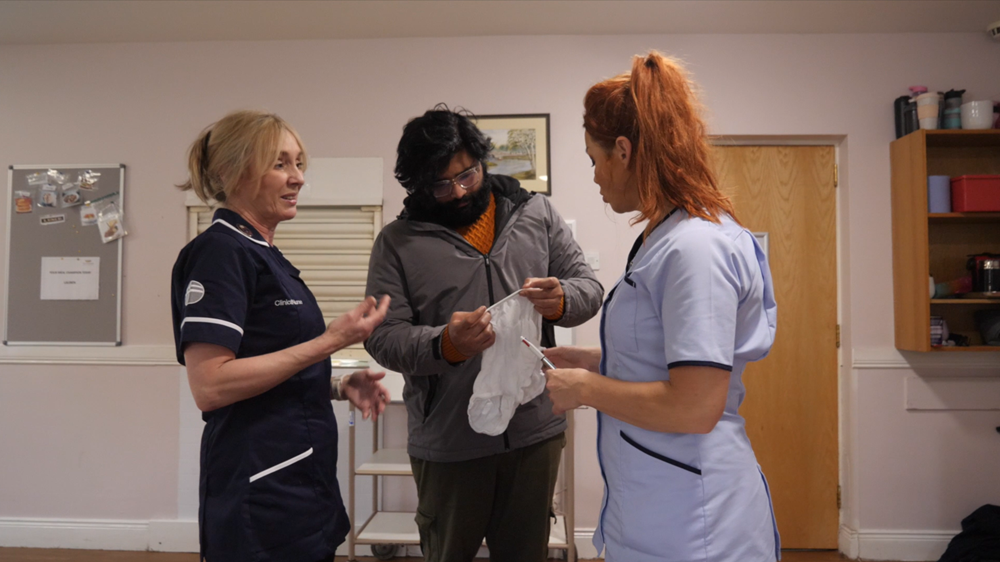
S&E Clinical Nurse Educator, Molly Speers is on hand to provide assistance and support for your nursing and care staff on Continence Management.
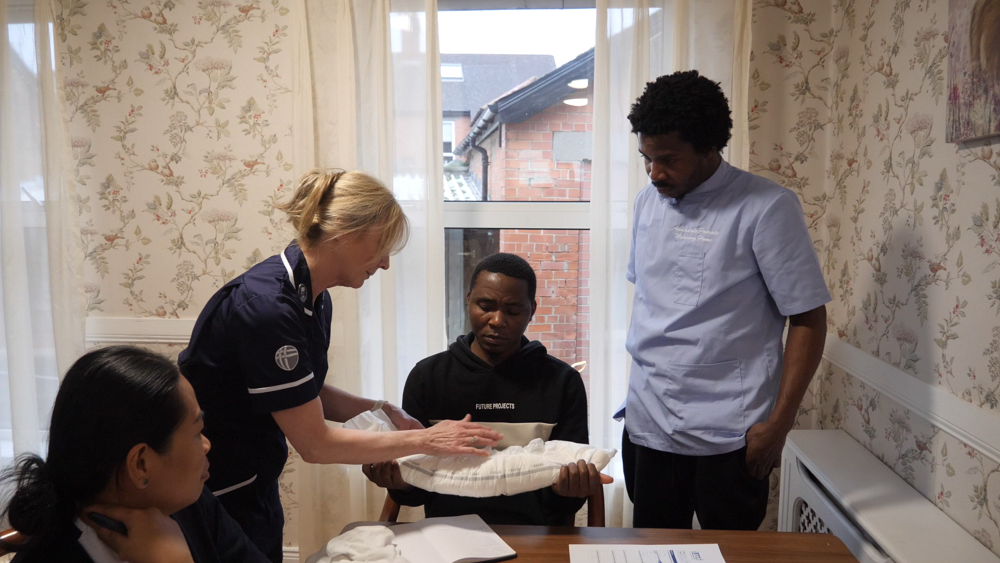
Molly brings with her over 30 year’s nursing experience. Training is tailored specifically to the needs of each Home and is sure to give your staff confidence in using the correct product for each resident, at the appropriate times.
To ensure the highest level of patient care, Molly offers assistance to staff conducting individual continence assessments, and will make recommendations on the most suitable products to use. Ongoing support is also provided during continence product trials to ensure smooth transition.
- Free Continence Assessment Tool
- Certified Continence Training for Employee CPD
Testimonials
“Her training was excellent and enjoyable. Staff have learnt a lot from her and it has been the best training on incontinence I have attended”.
Linda Graham, Regional Manager at Spa Nursing Group
“I want to say how impressed we were with Molly when she delivered training in Beechvale. All of my staff found her training interesting and informative, and as a result have found a new enthusiasm for their work. This will greatly improve patient care and raise our standards even higher. Please pass on our thanks to Molly, we look forward to
inviting her back”.
Kathie Stevenson, Manager at Beechvale Nursing Home